
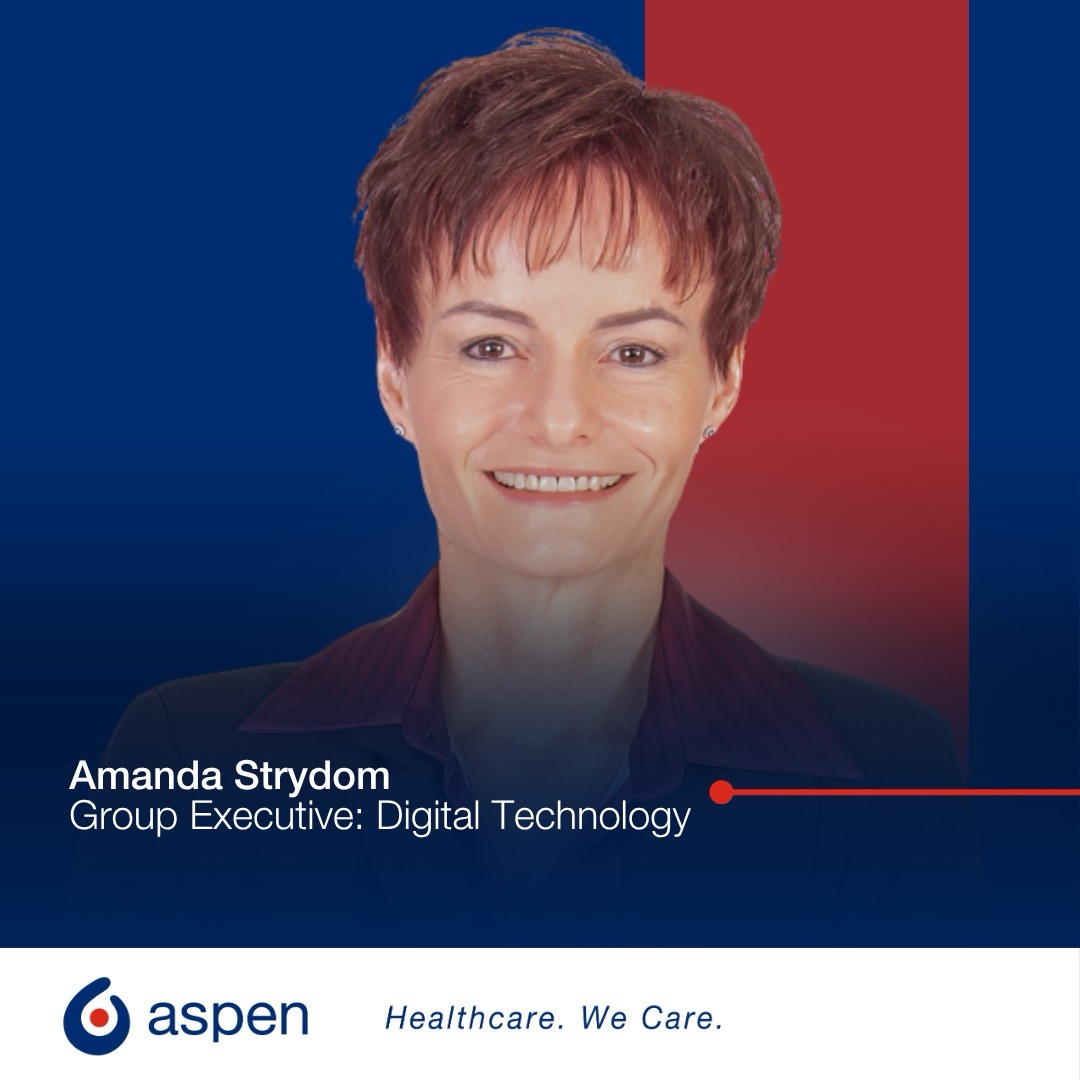
In a field that has traditionally been male dominated, Amanda’s journey is a powerful reminder of the importance of resilience, representation and creating inclusive spaces where women in technology can thrive and lead.
Through this conversation, we explore Amanda’s leadership journey, the lessons she has learned along the way, and her perspective on how organisations can create more inclusive environments where women in technology are supported, recognised and empowered to lead.
Q: Your career has led you into a senior leadership role in digital technology, a field that has traditionally been male dominated. What has shaped your journey, and what have been some of the defining moments along the way?
A: My career journey has been shaped by curiosity, resilience and a strong belief that technology must ultimately solve real business and human problems. I began in technical support and progressed through business analysis, architecture, service management, business relationship management, strategy and large-scale transformation. That progression gave me an appreciation of both the detail required to make technology work and the broader leadership needed to ensure it creates sustainable value.
I have also been fortunate to work across different industries, countries and cultures. Leading complex global programmes taught me that transformation is rarely just about the technology. It is about bringing people together around a shared outcome, being willing to listen, navigating uncertainty and remaining accountable when things become difficult.
Some of the most defining moments in my career have come from building and leading multidisciplinary teams through periods of significant change. At Aspen, I have had the privilege of working with talented people across functions, countries and partner organisations, often on complex initiatives where success depended as much on trust and collaboration as it did on technical expertise. Watching individuals grow in confidence, take greater ownership and develop into leaders in their own right has been particularly rewarding. It has shaped my belief that one of the most important measures of leadership is not only what you deliver, but the capability and confidence you build in others along the way.
Receiving the Aspen Inspire Woman Achievement award in 2023 was personally meaningful. However, I see it less as an individual achievement and more as recognition of the teams, mentors, colleagues and leaders who have contributed to my journey. My experience has taught me that leadership is not about having every answer. It is about creating clarity, making considered decisions, taking responsibility and enabling capable people to do their best work.
Q: As Group Executive: Digital Technology, what are some of the key priorities you are currently focused on, and how do these support Aspen’s broader business strategy?
A: My overarching priority is to ensure that Group Digital Technology (GDT) is a trusted business partner that helps Aspen operate more effectively, grow responsibly and respond with agility to a rapidly changing world.
My key priorities are to ensure that Aspen has stable, secure and resilient technology foundations while using digital capabilities to simplify the business, improve decision-making and enable sustainable growth.
This includes modernising and consolidating platforms, strengthening cybersecurity and information management, adopting data and artificial intelligence responsibly, and ensuring that technology investments deliver measurable business value. Equally important is developing an integrated, adaptable and cross-skilled GDT team that combines strong internal business knowledge with specialist partner expertise to support Aspen’s evolving needs.
These priorities support Aspen’s broader strategy by enabling secure growth, operational efficiency, quality, compliance and better connectivity across the Group. Aspen’s purpose is to improve the health and quality of life of patients through high-quality, affordable medicines. Although GDT may not interact directly with every patient, the reliability and effectiveness of our technology helps the people who manufacture, supply and support those medicines to do their work safely and efficiently.
For me, digital transformation is not about pursuing technology for its own sake. It is about making Aspen simpler, more connected, more resilient and better equipped to serve its stakeholders.
Q: What does representation of women in technology leadership mean to you, especially during Women’s Month in South Africa?
A: Representation matters because it helps women see that technology leadership is not a members-only club with a secret password. Visible female leaders challenge outdated assumptions and make careers in technology feel more accessible to the next generation. During Women’s Month, I am conscious that being a woman in a senior technology role carries a responsibility beyond my own career. Women’s Month is an opportunity to honour the women who created opportunities through courage and perseverance, while also recognising that each of us has a role in widening the path for those who follow. For me, that means being visible, sharing both the successes and the difficult lessons, supporting other women and creating opportunities for talented people to lead, contribute and be heard.
Q: What challenges do you believe women still face in technology and digital transformation roles, and how can organisations better support their growth and progression?
A: Women still face visible and less visible barriers in technology, including unconscious bias, under-representation in senior roles and assumptions about technical credibility or leadership style. Many women also feel they must be completely ready before pursuing an opportunity, yet in a fast-changing field, curiosity, adaptability and the willingness to learn are often more important than having every answer.
Aspen recognises the value women bring to leadership and actively creates opportunities for growth through meaningful assignments, mentoring, sponsorship and development. My own journey reflects an environment where women are encouraged to lead, contribute and progress on merit. By embracing different perspectives and leadership styles, Aspen strengthens both inclusion and innovation, bringing its values of teamwork, innovation, commitment, excellence and integrity to life.
Q: What advice would you give to young women or aspiring professionals who are considering a career in technology, digital innovation or leadership?
A: Firstly, do not feel that you need to have your entire career mapped out. Technology evolves continuously, and some of the roles that will be important in ten years may not yet exist. Build a strong foundation, remain curious and be willing to keep learning.
Secondly, develop both technical understanding and business awareness. The most impactful technology professionals are often those who can connect a technical opportunity to a business problem and explain it in a way that others can understand.
It is OK to feel uncomfortable. The biggest growth happens when you are uncomfortable. Therefore, take on opportunities that stretch you, even when you do not feel completely ready. Ask questions, find mentors who will guide you and sponsors who will speak for you when opportunities arise. Build genuine relationships, learn from setbacks and protect your integrity, because trust is one of the most valuable assets you will ever have. As you progress, bring others with you. Most importantly, learn from the leaders who inspire you, but do not try to become a copy of them. The best leadership comes from understanding your own strengths and leading authentically.
Q: Looking ahead, what legacy do you hope to help build through your role at Aspen?
A: I would like to help build a digital technology capability that is trusted by the business, resilient by design and recognised for delivering measurable value. I hope we can leave Aspen with simpler and more sustainable platforms, stronger information and technology governance, better use of data, responsible adoption of artificial intelligence and technology services that enable rather than constrain the organisation.
However, the legacy that matters most to me is a people legacy. I would like to help create a GDT organisation where talented people are given the opportunity to grow, where different perspectives are valued and where leadership is measured not only by what we personally deliver, but by the capabilities and confidence we build in others.
I also want our teams to understand the deeper purpose behind their work. A system that remains available, a manufacturing platform that operates reliably, a cyber risk that is prevented, or information that enables a better decision may seem far removed from a patient. In reality, each of these contributes to Aspen’s ability to provide high-quality, affordable medicines and improve patients’ health and quality of life.
If my contribution helps Aspen become more connected, resilient and ready for the future, while developing a new generation of ethical, capable and inclusive technology leaders, I would consider that a meaningful legacy.
Q: Any final words you’d like to share?
A: My journey has reinforced that meaningful transformation happens when technology, business purpose and people come together. Technology gives us powerful tools, but leadership determines how responsibly and effectively those tools are used.
As a woman in technology leadership, I recognise both the opportunities I have received and the responsibility to make the path more accessible for others. That means delivering results, maintaining high standards, remaining open to learning and creating space for people with different experiences and perspectives to contribute.
Aspen’s philosophy,“Healthcare. We Care.”, provides an important anchor for this work. It reminds us that behind every platform, process, project and decision are people who depend on Aspen to deliver with quality, integrity and care.
Looking ahead, I am optimistic about what digital technology can enable for Aspen. My aspiration is to help build an organisation that uses technology with purpose, transforms with discipline and brings people with it on the journey. That, to me, is the essence of sustainable transformation and authentic leadership.