Share Price:

APNASPENAspen Pharmacare Hldgs14160260 (1.87%)

Aspen is in a closed period from 1st January 2026 until the publication of the interim results on the JSE SENS platform on the 3rd March 2026.

Aspen scoops prized Adam Smith Treasury Award

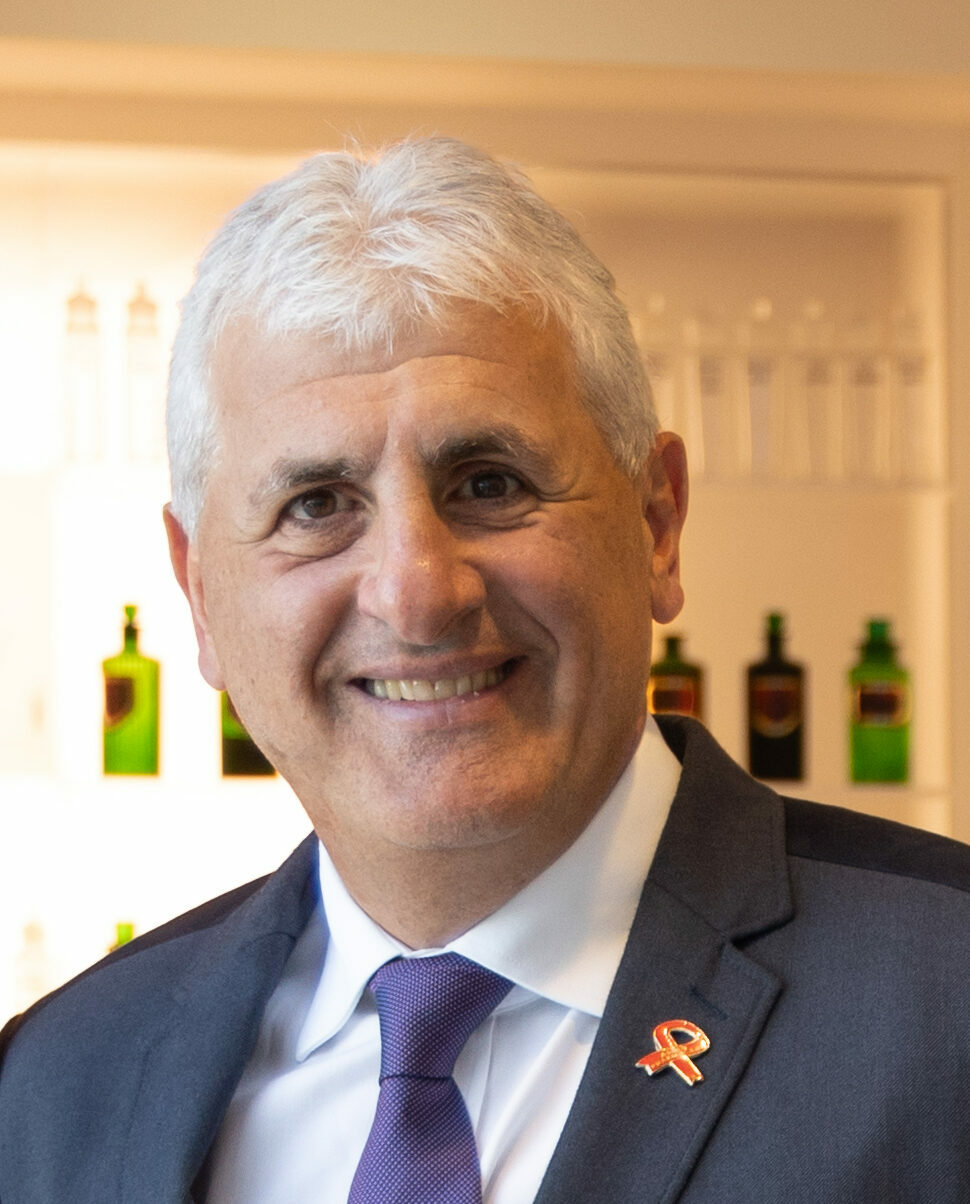
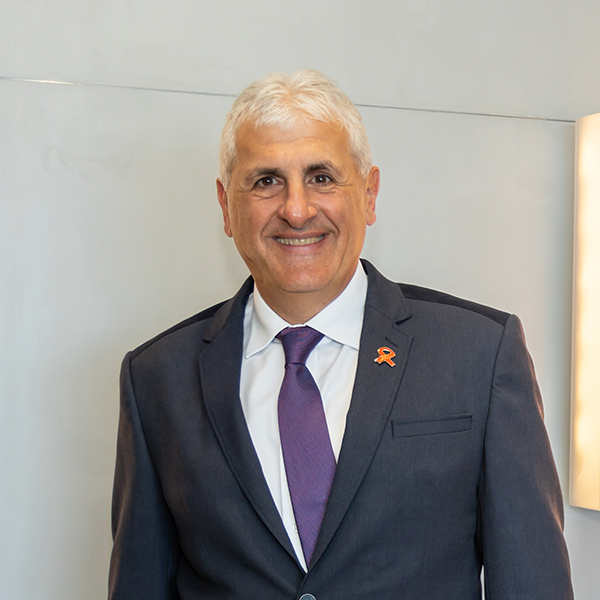
Michael Shuttleworth, Aspen Group Treasury Executive

Aspen’s Group Treasury Team was recently recognised when they were awarded the highly acclaimed Adam Smith 2020 Best In Class Treasury Solution In Africa Award.

Aspen celebrates a decade of participation in Mandela Day

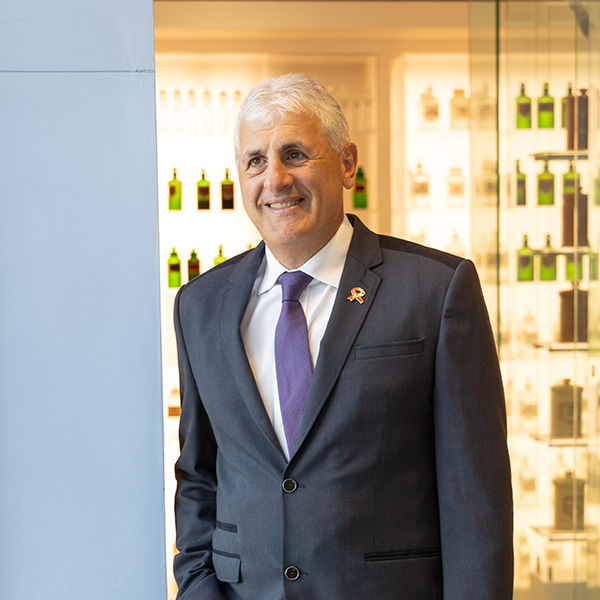
Stephen Saad, Aspen Group Chief Executive

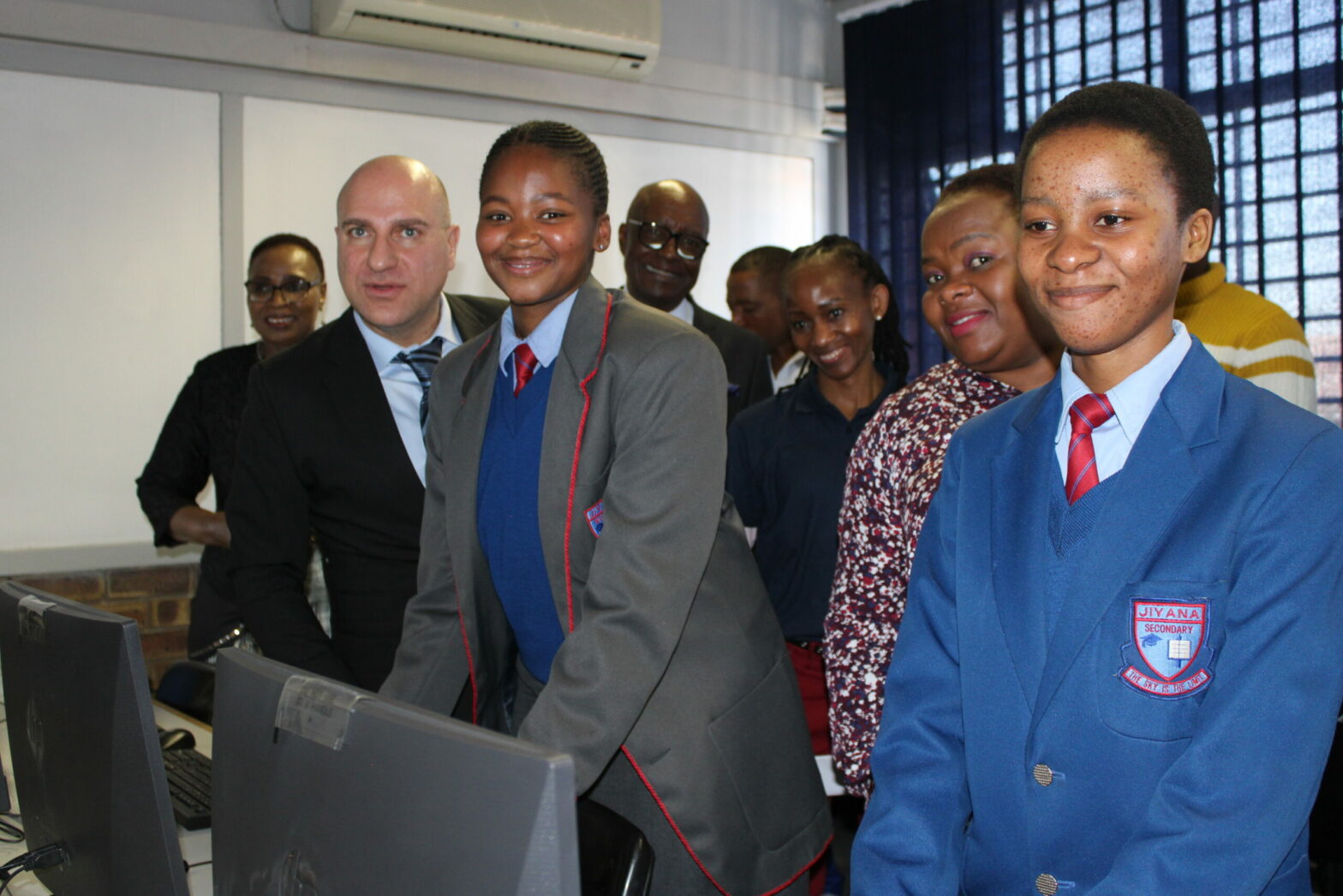
Johannesburg – JSE Limited listed Aspen Pharmacare Holdings Limited (APN), a global multinational specialty pharmaceutical company, is celebrating its 10th year of participation in the annual Mandela International Day (Mandela Day) campaign. Stephen Saad, Aspen Group Chief Executive said, “We participated in our first initiative in 2011 when we partnered with the Rekopane Inclusive Development Centre based in Germiston, Gauteng. Through a multi-phased initiative we helped to improve the environment for the some 50 mentally and physically challenged children who were based at the Centre. Little were we to know at that time, that our annual Mandela Day initiative would gain such significant momentum and be implemented across our businesses in some 40 countries.” “Our employees continue to drive our Mandela Day campaign and it’s always encouraging to see their involvement and enthusiasm as we collectively strive to make a meaningful difference in the world. Every action, irrespective whether it is financial, physical, emotional or a gesture of sincere kindness, contributes toward uplifting someone who is less fortunate. Although participation is voluntary, it has been widely embraced and many employees have become active contributors to worthy causes in a personal capacity since being exposed to Mandela Day. This attitude is particularly pleasing as it is so closely aligned with our ethos of displaying respect while instilling a spirit of dignity in disadvantaged citizens and it speaks so closely to our credo of Healthcare. We Care.” Despite the global ravages of the COVID-19 pandemic, Aspen has continued with its Mandela Day efforts and is, dependent on whether circumstances allow, providing for activities to take place from July to December 2020. While COVID-19 may have limited direct social engagement with beneficiaries this has not stopped Aspen’s employees who have adopted alternative measures, some of which include blanket drives, food relief, blood donations, the provision of educational aids and many others. Aspen’s Mandela Day projects cover a broad spectrum of initiatives that include healthcare, nutrition, education, social enhancement and development, infrastructural improvements, animal wellbeing, preserving the environment, and providing employees with the opportunity to show kindness to citizens of all ages from all walks of life. Since 2001, Aspen has engaged in more than 580 projects in 40 countries which have impacted the lives of some 782 000 beneficiaries. Read more about Aspen’s Mandela Day activities at www.aspenmandeladay.com, follow us on FaceBook, Twitter or LinkedIn and engage on social media via #aspenmandeladay.     

Aspen debuts in the FTSE4Good Index Series

The annual FTSE Russell Environmental, Social and Governance (ESG) Ratings have been published and Aspen has been included as a constituent member in the global FTSE4Good Index Series for the first time. Jeanette Englund Aspen Group Risk Sustainability Manager said, “We are delighted to be included in the global FTSE4Good Index Series for the first time. Results from the June 2020 assessment indicate that Aspen’s overall score improved significantly from 3.7 to 4.5 out of a possible 5. Inclusion in this Index Series has also resulted in Aspen being positioned in the Top 30 of the FTSE/JSE Responsible Investment Index as published at the end of June 2020. These outcomes are  attributable to the committed team who have collaborated to ensure that Aspen’s ESG related strategies and programmes and related disclosures meet the expectations of various ESG stakeholders.” FTSE Russell uses the FTSE4Good Index Series as a multi-dimensional measure of the performance of companies demonstrating strong ESG exposure and practices. It provides the investment community with a tool for portfolio design and management to investigate ESG criteria, or as a framework for corporate engagement and stewardship. Reg Hamman, Aspen’s newly appointed Group Corporate Services Officer, congratulated the team on the inclusion and score improvement. He said, “This achievement sets the bar very high for future years KPIs and I’m confident that we can continue to strive to score admirably in the FTSE4Good Index Series.” FTSE Russell (the trading name of FTSE International Limited and Frank Russell Company) confirms that Aspen Pharmacare Holdings has been independently assessed according to the FTSE4Good criteria, and has satisfied the requirements to become a constituent of the FTSE4Good Index Series. Created by the global index provider FTSE Russell, the FTSE4Good Index Series is designed to measure the performance of companies demonstrating strong Environmental, Social and Governance (ESG) practices. The FTSE4Good indices are used by a wide variety of market participants to create and assess responsible investment funds and other products.

Aspen donates electronic devices valued at R2.4 million to assist UP medical students

An Aspen Pharmacare initiative Johannesburg – JSE Limited listed Aspen Pharmacare Holdings Limited (Aspen), a global multinational specialty pharmaceutical company headquartered in South Africa, has donated 600 internet-enabled electronic devices valued at R2.4 million to support students from the Faculty of Health Sciences at the University of Pretoria (UP). Stavros Nicolaou, Aspen Pharmacare Senior Executive: Strategic Trade said, “Aspen is humbled to serve South Africa in its time of need, as we work together to fight the COVID-19 pandemic.  The provision of these devices to students not only helps to ensure that they have continued access to online education, but also limits their need for travel.  This donation will help curb the transmission-risk of the virus as the new academic semester begins, allowing students to undertake their studies remotely. We are deeply committed to supporting the sectors and communities in which we operate, both during the current crisis, and in the longer term, as we assist to create sustainable communities in South Africa.” Professor Robin Green, UP Chairperson of the School of Medicine said, “While the COVID-19 crisis has created a world of hurt and sadness, it has also allowed the kindness and generosity of the world to shine. We appreciate the generous donation that Aspen has made to the Faculty to assist students with distance learning and to enable them to continue with the 2020 academic year.” Following a rigorous screening process by the UP, the devices were earmarked for selected registered Faculty of Health Sciences students who attend classes regularly and who are unable to purchase the device for themselves. The tablets were handed over under strictly controlled hygiene and safety protocols, ahead of the commencement of remote lectures and training that resumed on 4 May 2020. Nicolaou added that this donation is in line with the country’s ambitions of harnessing digital innovation to benefit disadvantaged students, during these difficult times and into the future. “The donation of equipment further complements the University of Pretoria’s efforts to ensure that students from medicine and the other health science disciplines are able to continue with their curriculum and to minimise disruptions to the academic year,” said Nicolaou.

AGI: Covid-19 support in Mauritius

Aspen donates anaesthetic medicines to patients in critical condition An Aspen Global Incorporated Initiative Ministry of Health, Emmanuel Anquetil Building, Port Louis, 29 April 2020: In a major contribution in our fight against Covid-19, Aspen Global Incorporated, the Mauritian subsidiary of Aspen Pharmacare Holdings (a multinational pharmaceutical company), has donated approximately 30,000 vials of three anaesthetic products (Diprivan, Nimbex and Tracrium) used to treat patients in intensive care units (ICUs) with Acute Respiratory Distress Syndrome (ARDS). Due to the current COVID-19 crisis, these medically critical products have become scarcer as demand has increased worldwide. It is in this context that Aspen has offered its help to Mauritius by donating a shipment of these products to the government, which were formally remitted to the Minister of Health and Wellness, Kailesh Jagutpal, during an official ceremony held on Wednesday the 29th of April 2020, at the Minister’s office in Port Louis. “We are really pleased to have offered our assistance to Mauritius in these testing times. Our sole intention is to give a helping hand to the country where we have based our global business. We all need to pool our resources to rid the world of this invisible enemy as quickly as possible with the fewest casualties. This initiative is in line with the Aspen Group’s motto: ‘Health Care, We Care’; and our aspirations are to care for our patients, our employees and our community. Though our stock for this product is limited in view of global demand, we will continue to consider all requests from Mauritius as a top priority,” says Samer Kassem, CEO of Aspen Global Incorporated. “I take note, with immense pleasure, of this act of generosity on behalf of Aspen. This is yet another example of the healthy and precious collaboration between the public and the private sector, I am confident that the existing robust relationship between the two sectors will keep on strengthening. Aspen’s initiative in providing us with this important stock of anaesthetic drugs, in spite of the challenging and difficult global situation when it comes to movement of goods, is very much appreciated. The ongoing COVID-19 situation is a planetary challenge, I remain confident that together, with all our stakeholders involved in the fight against the novel coronavirus, we will succeed in ascertaining that our population is provided with the best and most efficient health care possible”, states Kailesh Jagutpal, Minister of Health and Wellness. These high-end pharmaceutical products are indeed essential in the process of intubating patients for ventilation, as they induce light to deep sedation and muscle relaxation. Securing this stock is very important at this stage of the epidemic as it extends the country’s capacity to care for the most serious forms of illnesses due to Covid-19 in our hospitals. Indeed, this coronavirus leads, in some cases, to ARDS. The anaesthetics donated by Aspen, the use of which has been confirmed by the Covid-19 Guidelines issued by the European Society of Intensive Care, helps doctors to find the right synchronisation between the patient and the mechanical ventilator. The advisor to the Government of Mauritius, Dr Catherine Gaud, who has been instrumental in linking Aspen to the authorities was also present at the ceremony and lauded this initiative “Such partnerships with the private sector show the sense of solidarity that all Mauritians are demonstrating in the wake of this disease. How a country combats the COVID-19 and any other pandemic of this amplitude will also depend on such solidarity.” This initiative is very important to Aspen as it is in line with its commitment to supporting the communities in which it operates. Mauritius has been the launchpad for the global expansion of the group since 2008 and, the passionate staff and their families have been very active in carrying out social initiatives towards the community since its establishment 12 years ago. While Covid-19 is yet another challenge, bringing hardship to people around the world, it also represents a once-in-a-lifetime opportunity to “reset” our humanity and connect with others and nature as never before.

Aspen responds to President Cyril Ramaphosa’s call to action on COVID-19

Johannesburg – JSE Limited listed Aspen Pharmacare Holdings Limited (APN), a global multinational specialty pharmaceutical company, has announced that the Group is actively focused on employees carrying out best practices in respect of the prevention and containment of COVID-19 while ensuring continued supply of medicines to patients. Stephen Saad, Aspen Group Chief Executive said, “As articulated by our President Cyril Ramaphosa, COVID-19 raises unprecedented challenges for both South Africa and the world. These challenges require an extraordinary response from every sector of society, not least the domestic pharmaceutical industry. These challenges have been exacerbated by the ban from India on the export of a range of pharmaceutical products and their raw materials.” “Aspen is in discussion with the South African Government to make available, wherever feasible, its extensive South African oral solid and liquid pharmaceutical manufacturing operations for priority treatment of the South African public. This will entail adjusting some of Aspen’s production plans.” “We echo our President’s appeal to the South African public for their assistance during this unprecedented time. Aspen has seen a spike in inquiries and demand in some of its over–the-counter pain, respiratory and colds and flu medicines. We wish to emphasise that our supply chain is currently robust and panic-buying will create unnecessary stress.” “At this time, Aspen wishes to reassure the South African public of its commitment to them.”

Aspen increases revenue and progresses on medium-term priorities

Johannesburg – JSE Limited listed Aspen Pharmacare Holdings Limited (APN), a global multinational specialty pharmaceutical company, has announced unaudited interim financial results for the six months ended 31 December 2019. GROUP PERFORMANCE (CONTINUING OPERATIONS) Aspen increased revenue by 3% to R18,4 billion for the six months ended 31 December 2019. Commercial Pharma increased 2% to R15,2 billion, supported by 6% revenue growth in Regional Brands. Manufacturing revenue grew 6% to R3,2 billion, favourably impacted by the recommencing of commercial sales of heparin API. Normalised EBITDA was flat at R5,3 billion and normalised headline earnings per share (“NHEPS”) increased 1% to 707,0 cents, benefiting from lower net financing costs. The Group delivered an improved operating cash conversion rate of 87%, up from 43% in the prior comparable period, supported by controlled working capital outflow and reduced taxation payments. Internally generated cash flows have been used to reduce debt, assisting net borrowings to decline to R37,9 billion from R39,0 billion as at 30 June 2019. The implementation of IFRS 16 – leases on a modified retrospective basis resulted in a once off increase in borrowings of R547 million. A leverage ratio of 3,5 times has been achieved, comfortably below the covenant ratio of 4,0 times. Aspen classifies certain of its intangible assets as being of indefinite life.  Lower performance against prior expectations resulted in the decision to impair certain Regional Brands by R489 million. The Japanese Business was disposed of, with effect from 31 January 2020. Aspen has exited the commercialisation of public sector ARVs in South Africa. The Group has entered into an agreement with Laurus, a leading Indian producer of ARV APIs, to toll manufacture ARVs, thus ensuring the South African government retains access to competitive prices for these critical medicines. Aspen will continue to sell ARVs in the South African private sector. Both the Japanese Business and the commercialisation of ARVs in the South African public sector have been reclassified to discontinued operations for the period ended 31 December 2019. The results for the comparative period ended 31 December 2018 as well as for the year ended 30 June 2019 have also been restated to exclude these discontinued operations, together with the previously discontinued operations, namely the Nutritionals Business and the Asia Pacific non-core pharmaceutical portfolio. Relative movements in exchange rates had no material impact on financial performance, as is illustrated in the table below which compares performance in the prior comparable period at previously reported exchange rates and then at constant exchange rates (“CER”).  The CER results for the six months ended 31 December 2018 re-state performance for that period using the average exchange rates for the six months ended 31 December 2019. Six months ended 31 December 2019 Continuing operations Reported H1 2020 Rmillion Reported restated H1 2019^ Rmillion Change at reported rates % H1 2019^ CER Rmillion Change at CER % Revenue 18 417 17 878 3% 17 937 3% Normalised EBITDA* 5 260 5 241 –  5 259 – NHEPS** (cents) 707,0 702,4 1% 706,8 – ^ H1 2019 has been restated taking into account the impact of discontinued operations, namely the Nutritionals Business, the Asia Pacific non-core pharmaceutical portfolio, Japanese Business and the South African public sector ARVs. * Operating profit before depreciation and amortisation adjusted for specific non-trading items as defined in the Group’s accounting policy. ** NHEPS is HEPS adjusted for specific non-trading items, being transaction costs and other acquisition and disposal-related gains or losses, restructuring costs, settlement of product related litigation costs, net monetary adjustments and currency devaluations relating to hyperinflationary economies and significant once-off tax provision charges or credits arising from the resolution of prior year tax matters. SEGMENTAL PERFORMANCE Note:  CER is used as the reference point for the six months ended 31 December 2018 Commercial Pharma Commercial Pharma comprises Aspen’s Regional Brands and Sterile Focus Brands. Revenue of R15,2 billion represented 2% growth while gross profit remained flat at R8,6 billion. Regional Brands Regional Brands grew 6% to R8,3 billion with positive growth well spread across the Group. Gross profit percentage was negatively impacted by the decline in revenues from the oncology portfolio in Europe CIS and the previously reported recall of Zantac in Australia. Sub-Saharan Africa (+7%) performed well, benefiting from the increased focus achieved by splitting the portfolio into two discrete divisions. Revenue from Latin America (+11%) continued to grow supported by a strong performance from domestic brands. Sterile Focus Brands Sterile Focus Brands, comprising Aspen’s Anaesthetics and Thrombosis portfolios, maintained a flat gross profit at R3,9 billion despite revenue reducing 2% to R7,0 billion. The gross margin percentage improved to 56,6 % benefiting from a higher relative weighting of Anaesthetics sales in the product mix. Revenue from Anaesthetics grew 3% to R 3,9 billion. China (+23%) delivered strong growth. Europe CIS (-6%) was impacted by changes in commercial structures and ongoing Anaesthetics supply constraints. Performance in Europe CIS accelerated over the six months as supply improved and changes to the commercial structure yielded a positive response. Thrombosis revenue declined 8% to R3,1 billion, negatively impacted by Europe CIS (-10%) which contributes approximately 80% of the Group’s total Thrombosis revenue. Europe CIS commenced a commercial restructure at the start of the half and results have progressively improved since this initiative was implemented resulting in a notably stronger second quarter. Manufacturing Manufacturing revenue increased 6% to R3,2 billion. The recommencement of commercial sales of heparin API to third parties added R273 million. Gross profit percentage of 26,6% was in line with that achieved in the full year to 30 June 2019 although lower than the 36,2% in the six months to 31 December 2018 when there was a favourable product mix in the API Business. PROSPECTS We anticipate a continuation of the positive progress towards the Group’s medium-term priorities in the second half of the financial year. These priorities are directed towards ensuring Aspen is continuing to adapt effectively to the dynamic environment in which we operate, focusing on our areas of competitive advantage, driving organic growth and… Continue reading Aspen increases revenue and progresses on medium-term priorities

OPINION: Let’s pause for a moment to reflect on SA’s ARV success

By Stavros Nicolau, published in Independent Media’s Business Report JOHANNESBURG – Last week’s launch by Minister of Health Zweli Mkhize of a new ARV triple drug regimen in the Ugu district in KwaZulu-Natal and the commemoration of World Aids Day allows us as a country to reflect on how successfully we’ve managed what is arguably one of our country’s most complex post democratic challenges, HIV/Aids. While much room remains to further strengthen a number of areas in our highly acclaimed public ARV programme, one cannot argue against the facts and these remain the following: Life expectancy has increased from a low 53 years in 2004 (when ARVs first started to roll out in our public sector) up to an impressive 66 years today. Few government-led programmes have had this level of success or impact on society and its citizens. This can be directly ascribed to ARVs and other interventions such as male circumcision and the prevention of mother-to-child transmission, with ARVs being the biggest contributor to this impressive statistic. Today, an estimated 5million South Africans are taking ARVs, 4.7million of those receiving ARVs through the public sector, making the South African public programme six to seven times larger than the next largest global programme. This takes some management by the government, making 4.7million patient treatments available month in and month out. Somewhat of a logistical feat, matched by few other government departments. This made it possible for us to dream of meeting targets such as the UNAids 909090 target to help end the epidemic by 2020, ie 90percent know their status, 90percent of these are on ARV treatment, and 90percent of these are virally suppressed. This was, however, not always the case. Dreams were turning into nightmares, helplessness contracting HIV was a de facto visit to death row. Turn the clock back two decades with 350000 mainly young South African lives perishing annually from the pandemic, it would not be an exaggeration to overstate the calamity and gloomy future we faced then. Those were difficult, polarising days, often pitting civil society and parts of labour against parts of our government. Those acerbic times called for practical and evidence-based leadership and solutions. However, there was a small matter of the cost of ART (antiretroviral therapy), which had to be provided as triple therapy in those days at an annual cost of $10000 (R146192) in the US, clearly unaffordable to most South African patients, even many of those in the private sector. So where to, was the burning question? Were we to look on helplessly and watch the next generation disappear before our eyes? Aside from the prohibitive price tag at the time, an even bigger uphill battle lay in getting ARVs recognised as the first treatment point, something we take for granted these days. The battle lines were drawn. Solve the pricing issue and you were in with a fighting chance. Another small matter – these products were all patent protected and intellectual property (IP) is sacrosanct for R&D-based pharma, who held the patents. At the time some argued for compulsory licensing, which would leave investors numb and others called for patent busting, equally unpalatable to investors, particularly foreign investment, who often rely on a balanced IP regimen as a key consideration in their investment decisions. It is when our backs are to the wall that South Africans tend to excel, coming up with innovative solutions at times of crisis. When the history of our remarkable country is written covering this period, much acknowledgement should be given to the TAC (treatment action campaign) and the courageous stance of their leaders Zackie Achmat, Mark Heywood and others, the role of our competition authority, the tireless clinical activism of people like Professor Francois Venter and the HIV clinicians society. They paved the way for a long-last solution. While this was ongoing Aspen, in those days a fledgling and recently JSE-listed minnow, began grappling with how we could positively contribute to solving the vexing HIV problem. The answer was obvious do what you do best, produce quality generic ARVs at accessible pricing without breaking patents. Not for the first time, critics wrote us off, saying that this was neither possible nor realistic. Patents were in place and consequently prices could not come down. Other sceptics stated, as they did when we acquired SA Druggists 18 months earlier, that this management team would be better off taking their medication for delusion rather than trying to sell it to the market. Spurred by the need to find a solution that would prevent the unfolding HIV catastrophe and possibly by some of the scepticism Aspen, encouraged by the changing landscape at the time, entered into discussions with multinational R&D partners with a view to finding a win-win solution for all the parties, particularly patients who were fast running out of time on the proverbial clinical death row. It was not uncommon at that time for Aspen management, when discussing the looming crisis with multinational partners, to recall the hopeless plight of HIV patients that presented at public clinics around our country, no more so than an example we often referenced, the Engcobo clinic in the Eastern Cape that former president Nelson Mandela had asked Aspen founder and group chief executive Stephen Saad to assist revamp – around 80percent of patients at the time presented at the clinic with suspected HIV/Aids or tuberculosis. Engcobo struck a nerve with many, including some of our multinational partners. These discussions paved the way for the first-ever voluntary licences and later manufacturing arrangements for generic ARVs. Our first generic ARV, Aspen Stavudine, was launched by then-Minister of Trade and Industry Alec Erwin, in 2003, with some in the Health Department in those days still unaccepting of ARVs. This proved to be a landmark moment for the company, for management of HIV in our country, a South African-pioneered solution, by a South African company for what was rapidly becoming an epic African problem. It was not long before licences were negotiated for… Continue reading OPINION: Let’s pause for a moment to reflect on SA’s ARV success

Closed Period

Aspen is in a closed period from 1st January 2026 until the publication of the interim results on the JSE SENS platform on the 3rd March 2026.

The live presentation will take place in Cape Town at 08h30 on 2 March 2023.

Corporate

Our career opportunities are across the corporate spectrum, including Human Capital, Digital Technology, Legal, and Risk & Sustainability. Our employees are given the opportunity to hone their skills and develop the experience of excellence in their chosen field in the pharmaceutical industry.

View our teams below: